
Introducing the Renewable Energy Partnership for Torbay | Electrix Renewable and South West Plumbing
April 30, 2026
Sodium Battery Storage
May 23, 2026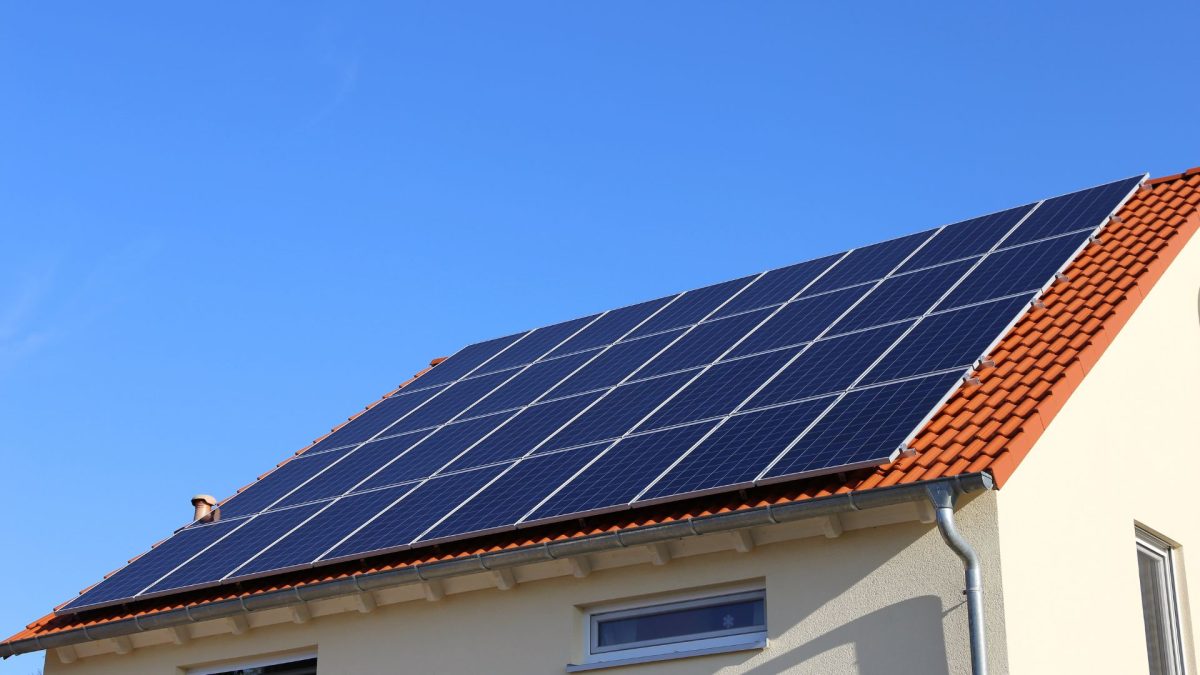
It’s the question we’re asked more than any other: given Devon’s reputation for grey skies and coastal drizzle, is solar actually worth the investment? The answer — backed by real installation data and our 20+ years of experience installing across the South West — is a clear yes. But the nuances matter, and we think you deserve the full picture.
How Much Sun Does Devon Actually Get?
Devon receives significantly more solar irradiance than most UK counties. Exeter records around 1,237 kWh per square metre annually — roughly 13% above the UK national average. Even on overcast days, solar panels continue to generate electricity from diffused light. The idea that solar only works in direct sunshine is one of the most persistent myths we encounter.
To put it practically: a typical 4kWp domestic system in Devon will generate approximately 3,600–4,000 kWh per year — enough to cover a substantial proportion of an average household’s annual consumption of around 3,500 kWh.
What Does a System Cost — and When Does It Pay Back?
In 2026, a quality 4kWp solar panel system (supply and installation) typically costs between £6,500 and £9,000, depending on roof accessibility, inverter specification, and panel brand. Add battery storage and you’re typically looking at £10,000–£14,000 for a full system.
The payback period depends heavily on how much of the solar generation you consume yourself (self-consumption rate). Households with a good self-consumption rate — those at home during the day, with EV charging or heat pump loads — typically see payback in 7–10 years. Given that a quality system carries a 25-year performance warranty, the return on investment is compelling.
The Smart Export Guarantee
Any excess electricity your panels generate that you don’t use can be exported to the grid. Under the Smart Export Guarantee (SEG), energy suppliers pay you for every unit exported. Rates vary by supplier, but the additional income meaningfully improves the economics of a solar installation.
Should You Add Battery Storage?
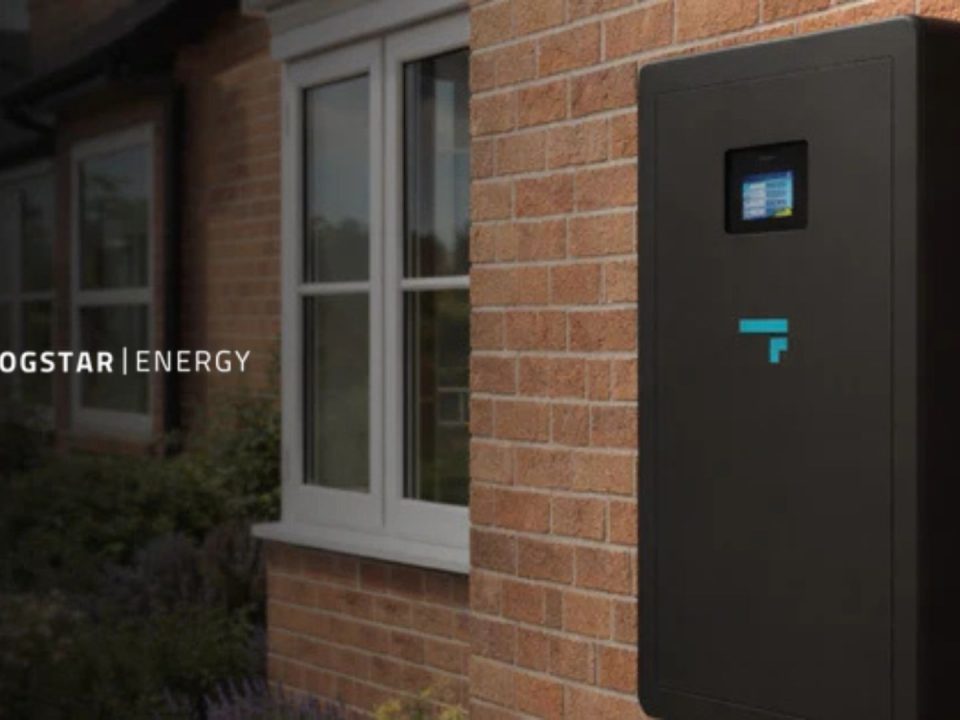
Battery storage has become significantly more cost-effective in the past two years. A home battery allows you to store solar energy generated during the day and use it in the evenings — dramatically increasing self-consumption rates and reducing reliance on the grid. For households on time-of-use tariffs (such as Octopus Agile), a battery can also be charged during cheap overnight periods.
We install a range of battery systems, including Tesla Powerwall and GivEnergy products, and can advise on which option suits your household’s usage patterns.
EV Chargers: The Perfect Solar Companion
If you drive an electric vehicle or are planning to, pairing an EV charger with solar panels creates a genuinely powerful combination. Smart chargers can be configured to begin charging only when the panels are generating a surplus — meaning your car runs, in effect, on free solar energy. The number of EV charging installations we complete alongside solar systems has grown substantially year on year.
Is My Devon Roof Suitable?
Most Devon homes are suitable for solar, though south-facing roofs at a pitch of 30–45 degrees deliver the best results. East or west-facing installations still perform well. We carry out a thorough survey before any installation to confirm suitability and calculate realistic generation estimates for your specific property.
Book a Free Survey
If you’re considering solar for your Devon home or business, the best first step is a no-obligation survey. Our team will assess your property, model your expected generation and savings, and give you a transparent quote with no pressure.
Contact Electrix Renewable today to arrange your free survey.