
Is Your Solar System Ready for Winter?
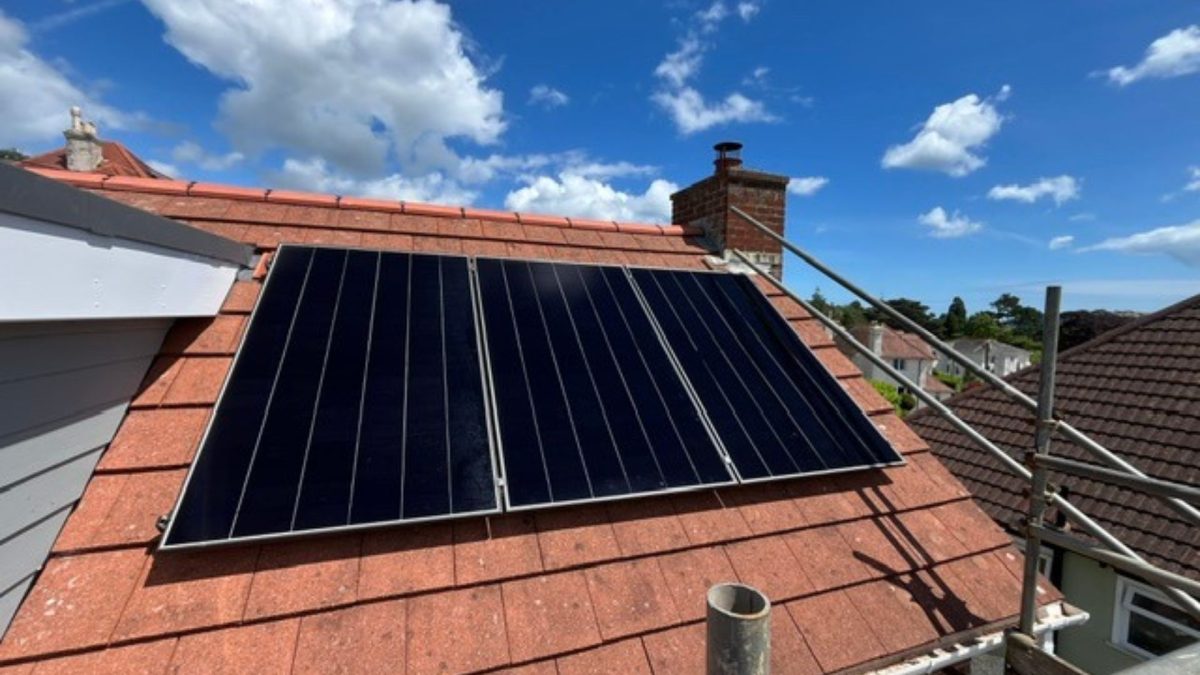
Solar panels and battery storage can form part of a plan to improve a rental property’s energy performance. For Devon landlords, the right combination of improvements depends on the building, its current EPC and an assessor’s calculations. Solar is worth considering, but it is not a guaranteed route to EPC C or lower mortgage costs.
This guide explains where solar may fit into your improvement plan, why an assessment should come first and what to ask a mortgage adviser before including finance savings in your calculations.
What Does EPC C Actually Mean for Landlords?
An Energy Performance Certificate (EPC) rates a property from A to G. The current minimum for most covered domestic private rented properties in England and Wales is EPC E, unless a valid exemption applies. Check the government’s landlord guidance for the rules that apply to your property.
The government’s January 2026 response sets out a planned higher standard from 1 October 2030. It prioritises building-fabric performance, followed by either heating-system or smart-readiness measures. Transitional arrangements and exemptions apply. Solar should therefore sit within a property-specific improvement plan. See the published government response and obtain current advice before commissioning work.
Where Solar Panels and Battery Storage Can Help
At a local business networking event, an energy assessor described a property where their calculations identified solar PV and battery storage as a strong improvement option. That example is useful, but it does not establish which measure is best for every home. Older Devon properties can have very different insulation, heating and roof characteristics.
Solar panels generate electricity on site, and batteries can increase the amount used within the property. Ask an accredited domestic energy assessor to model the effect on your EPC before ordering a system. The government’s planned smart-readiness approach includes solar panels and batteries, alongside other measures; it does not remove the need to consider the building fabric.
Electrix Renewable installs solar PV and battery storage across Devon and can work with your assessor’s recommendations. MCS certification is relevant to some schemes, but eligibility also depends on the scheme, property and applicant. It should not be taken as automatic access to every incentive.
What Should Landlords Check About Mortgage Costs?
Some lenders offer mortgage products aimed at energy-efficient properties. EPC thresholds, rates, fees and lending criteria vary, and a green-labelled product is not automatically the cheapest overall. Ask a specialist buy-to-let mortgage adviser to compare current options for your property.
If you are considering borrowing to fund solar or battery storage, compare the full cost over the intended borrowing period, including interest, fees and any early repayment charges. A lower headline rate does not guarantee that the installation will pay for itself, particularly if borrowing increases or the repayment term changes.
Keep projected electricity savings separate from any possible mortgage benefit. Your adviser can assess whether a particular lender’s terms improve the overall position; Electrix Renewable can provide the installation quotation and system information needed for that comparison.
What About Housing Associations?
Housing associations plan energy improvements across larger portfolios and must assess the requirements relevant to social housing separately. Solar and battery storage may help reduce residents’ electricity costs, but the appropriate combination of measures and the expected benefit should be assessed for each property type.
Electrix Renewable works with commercial and social housing clients as well as individual landlords, and can discuss phased approaches for larger portfolios.
What Does a Solar Installation Actually Involve?
The process is more straightforward than many landlords expect. Electrix Renewable handles the survey, design, installation and all relevant paperwork, including MCS certification and any DNO notification. A typical domestic installation takes one to two days. Tenants do not need to vacate the property for the work. Once installed, the system requires minimal maintenance – the winter maintenance inspection that Electrix offers from £135 is worth considering annually to keep everything running at peak output.
If the property currently has an older solar system that was installed under the original Feed-in Tariff scheme, it is worth noting that those tariff rights can be retained through a system upgrade in many cases, as long as the installation is handled correctly. This matters because the SEG rates available now are generally lower than the original FiT rates, so preserving an existing tariff can add meaningful ongoing value.
Frequently Asked Questions
What is the best way to improve my EPC rating to C?
Start with an assessment of the property and a modelled improvement plan. Solar and batteries may help, but insulation, heating and other measures can be important. No single improvement guarantees EPC C for every home.
Can solar panels help landlords meet the proposed EPC requirements for rental properties?
Solar panels and batteries may contribute to an improvement plan. The government’s planned 2030 approach prioritises building-fabric performance as well as a secondary heating or smart-readiness standard, so an assessor should confirm what your property needs.
Do solar panels affect mortgage rates for landlords?
Some lenders offer products for energy-efficient properties, but eligibility and overall value vary. Solar installation does not guarantee a lower mortgage rate. Ask a specialist broker to compare total costs, fees and lending terms.
Contact Electrix Renewable to arrange a free survey and find out what solar and battery storage could do for your EPC rating and your rental property costs – call 01803 615160 or use the contact form on solarpaneldevon.co.uk.