
Is Solar Worth It in Devon in 2026? An Honest Guide
May 6, 2026
Battery Storage for Devon Homes for Every Budget
June 1, 2026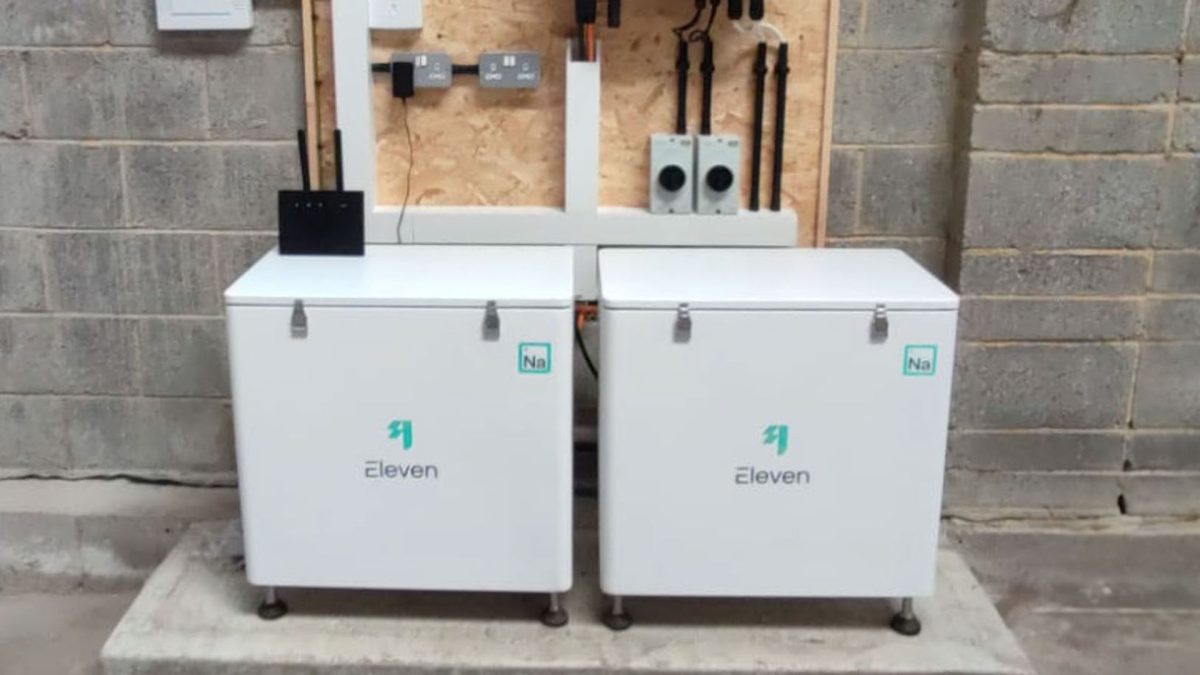
What it is and Whether it’s Right for Your Home
By Electrix Renewable | May 2026 | 5 min read
If you’ve been looking into battery storage, you’ve probably noticed there’s a new name cropping up alongside the usual lithium-ion options. Sodium batteries have started to appear in the market, and the conversation around them is growing quickly. At Electrix Renewable, we think they’re genuinely worth understanding, so here’s a guide to what they are, what they offer, and whether they might be a good fit for your home or business.
What actually is a sodium battery?
Sodium batteries work on the same basic principle as lithium-ion batteries. During charging and discharging, ions move between the battery’s anode and cathode. The key difference is that sodium ions do the job instead of lithium ions.
The reason that matters is simple: sodium is one of the most abundant elements on the planet. It’s derived from seawater and salt, which are available in vast quantities without the intensive and often problematic mining processes that lithium requires. That difference in raw material has real consequences, both for cost and for the environmental footprint of the technology.
Why lithium has a problem worth knowing about
Lithium-ion technology has powered the energy storage industry for years and it works well. But it comes with supply chain constraints that are increasingly hard to ignore. Mining lithium is water-intensive, geographically concentrated, and dependent on a small number of countries. Cobalt, a common component in some lithium battery types, raises serious ethical sourcing concerns. As global demand for battery storage continues to climb, those pressures are only going to increase.
None of this makes lithium a bad technology, but it’s why manufacturers, researchers, and installers like us are paying close attention to what comes next.
The genuine advantages of sodium storage
Sodium batteries bring a few characteristics that make them well-suited to home energy storage in the UK.
- Temperature performance. Most lithium batteries are designed to operate between 0 degrees and 40 degrees Celsius. Sodium batteries work from minus 20 to plus 55. In practice, that means consistent performance through cold Devon winters without any reduction in capacity.
- Fire safety. Sodium-ion chemistry does not carry the thermal runaway risk associated with some lithium formulations. For homeowners thinking carefully about where a battery will be installed, that’s a meaningful advantage.
- No cobalt. Sodium batteries are manufactured without cobalt or other ethically questionable materials. If sustainability matters to you beyond just the energy savings, that’s a genuine differentiator.
- Abundant raw materials. Sodium is around 1,400 times more abundant in the earth’s crust than lithium. The long-term cost and supply picture looks fundamentally different.
What are the limitations?
It’s worth being straightforward about the trade-offs. Sodium batteries currently have a slightly lower energy density than the best lithium-ion options, which means the physical units are somewhat larger for a given storage capacity. For most home installations, that’s not a significant issue, but it’s worth discussing during the survey stage.
The technology is also newer to the residential market. Sodium batteries have been in development for a long time, but commercially available home systems have only come to market in recent years. We’ve been following the technology closely and are confident in what we’re now installing, but the track record is shorter than it is for lithium.
What does a sodium system look like in practice?
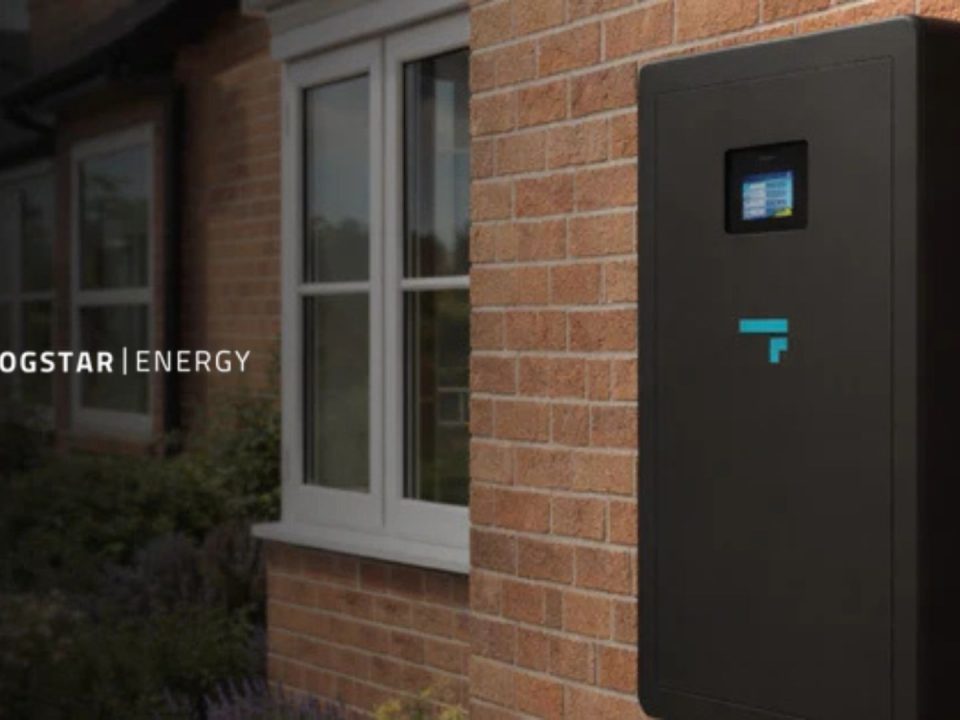
The system we install through our partnership with Eleven Energy gives a good picture of how this works in a real home. Their sodium battery is a 4.5 kWh unit that’s designed to expand. You can connect up to eight packs to a single inverter, which gives you more than 33 kWh of usable capacity if your household needs it. Most families start with one or two packs and add more over time.
The inverter is a 6 kW single-phase hybrid unit with 98% power conversion efficiency, IP65 weather protection, and a 10-year product warranty. Switchover to off-grid mode takes around 10 milliseconds, which is fast enough that most appliances in your home won’t register any interruption.
The Energy Management Platform that sits behind the system is one of the parts that genuinely impresses us. It integrates with your solar panels, EV charger, heat pump, and immersion heater, and it learns your usage patterns to make the most of what you generate. It’s compatible with smart tariffs including Agile Octopus, so you can charge the battery during cheap overnight periods and use that stored energy when rates are higher.
Is sodium storage right for you?
If you generate solar energy and want to store it, sodium storage is a serious option. It’s particularly compelling if cold-weather performance matters to you, if you care about the sustainability credentials of what you’re buying, or if you’d prefer a system with a simpler and safer chemistry.
If you already have solar panels and want to add storage, the Eleven Energy system also supports AC-coupled retrofit, meaning you won’t necessarily need to replace your existing inverter.
We’re happy to talk through the comparison between sodium and lithium options when we visit you for a survey. There’s no single right answer for every household, and the best system is always the one that suits how you actually use energy.
If you’d like to find out more, take a look at our partnership with Eleven Energy or get in touch to arrange a free, no-obligation survey.